
Dizziness can be unsettling, but when it comes on quickly, it can be especially alarming. Sudden dizziness may last only a few seconds or continue for hours, and it can range from mildly annoying to completely disruptive. While some causes are minor, others require immediate medical attention. Knowing the possible reasons for a sudden dizzy spell and when to seek help can make all the difference in getting the right care.
A Quick Checklist for Understanding Sudden Dizziness
This checklist will help you think through possible causes of sudden dizziness and decide whether to get help right away or schedule a routine evaluation.
1. Recent Illness or Infection
A cold, flu, or ear infection can temporarily affect your balance. Infections that reach the inner ear, such as labyrinthitis, can create intense spinning sensations and imbalance. If your dizziness started shortly after being sick, it may be related to inflammation in the balance system of your inner ear.
2. Changes in Blood Pressure
A quick drop in blood pressure can cause lightheadedness or a brief dizzy spell. This often happens when you stand up too quickly, a condition called orthostatic hypotension. Dehydration, blood loss, or heart problems can also trigger similar symptoms. If dizziness is accompanied by fainting, chest pain, or shortness of breath, seek medical care immediately.
3. Inner Ear Problems
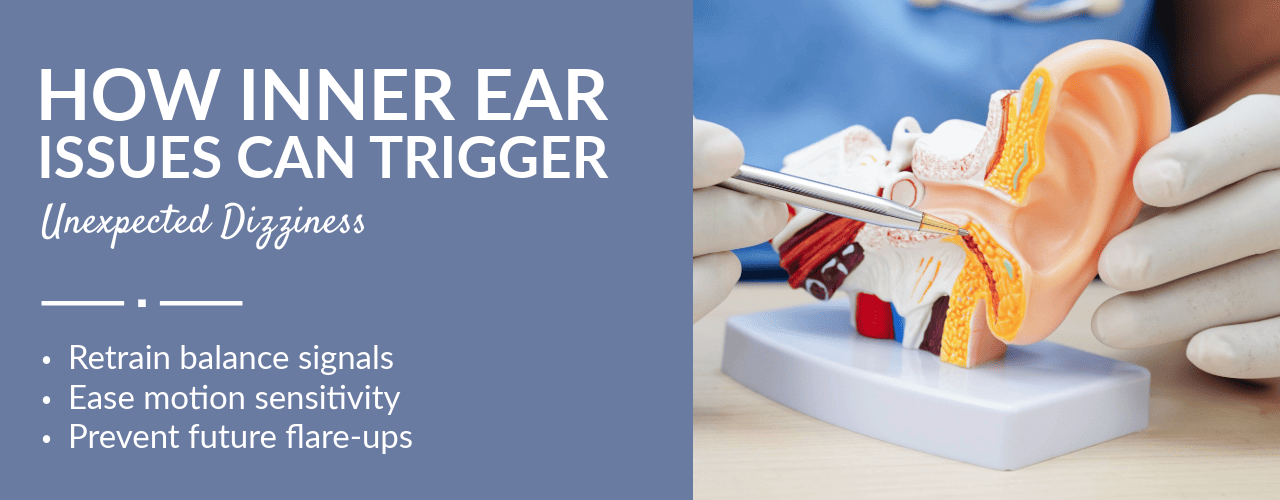
Your inner ear contains the vestibular system, which plays a key role in balance. Conditions such as benign paroxysmal positional vertigo (BPPV) cause dizziness when you change head positions, like rolling over in bed. Vestibular neuritis and labyrinthitis are other conditions that can cause sudden dizziness along with imbalance, nausea, and sometimes hearing changes.
4. Low Blood Sugar
If you have gone a long time without eating, your blood sugar may drop low enough to cause dizziness. People with diabetes are particularly at risk, especially if medication or insulin levels are not carefully balanced. Other symptoms can include shakiness, sweating, and confusion. Eating a quick source of sugar can help in mild cases, but recurring episodes should be evaluated.
5. Medication Side Effects
Some prescription and over-the-counter medications list dizziness as a possible side effect. Blood pressure medications, sedatives, and certain antibiotics are among the most common. If you recently started a new medication and noticed sudden dizziness, talk to your healthcare provider before stopping or changing your prescription.
6. Neurological Causes
Although less common, some types of dizziness are linked to neurological problems. Migraines can trigger dizziness even without a headache. More serious causes include stroke, multiple sclerosis, or other conditions affecting the brain and nervous system. Warning signs such as weakness, slurred speech, double vision, or severe headache should prompt emergency care.
7. Accompanying Symptoms That Signal Emergency Care
Even if dizziness is your main concern, certain additional symptoms mean you should seek immediate medical attention:
- Trouble speaking or understanding speech
- Weakness or numbness on one side of the body
- Vision changes, such as double or blurred vision
- Severe, sudden headache
- Difficulty walking or coordinating movements
These could be signs of a stroke or another serious medical condition.
When to See a Professional
Not every episode of sudden dizziness requires urgent care, but it is always important to pay attention to patterns and associated symptoms. If dizziness keeps returning, gets worse over time, or is interfering with daily activities, a physical therapy evaluation can help uncover the cause.
A physical therapist can assess balance, posture, and movement to determine whether dizziness is linked to the inner ear or other systems. In cases where a medical condition is suspected, your therapist may work alongside a physician to coordinate care.
Take Action for Better Balance
If you experience sudden dizzy spells, do not ignore them. Even if the cause turns out to be minor, early evaluation can prevent falls, improve daily function, and help you feel more confident in your movements.
At Moore Myoworx, we specialize in assessing and treating balance-related conditions. Whether your dizziness comes from an inner ear problem, a posture issue, or another cause, we create personalized care plans that target the source of the problem and improve stability.
Contact Moore Myoworx today to schedule your evaluation and learn more about effective treatments for sudden dizziness.




Leave a Reply