
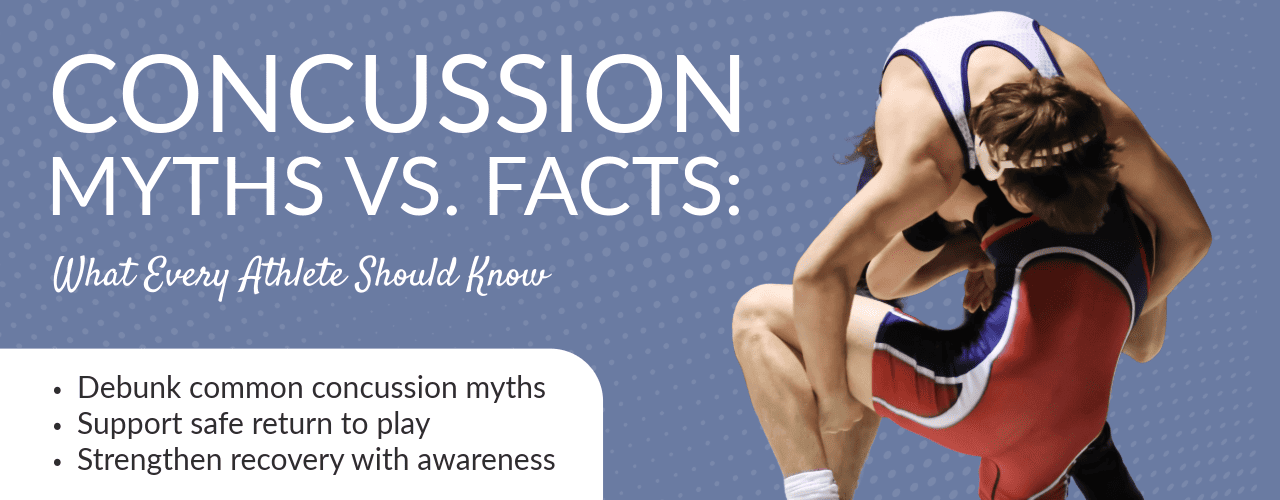
A concussion is a mild traumatic brain injury caused by a hit, jolt, or fall that affects brain function. In sports, concussions happen more often than most people realize. They can affect balance, focus, memory, or coordination, sometimes without visible signs. The challenge isn’t just treating concussions, it’s spotting them early and taking them seriously. Many athletes, coaches, and parents still believe things about concussions that are outdated or flat-out wrong. That’s why building concussion awareness is so important.
Understanding what’s true and what’s not helps athletes recover safely and return to play with confidence. Below are some of the most common myths about concussions and the facts every athlete needs to know.
Don’t Guess – Know the Facts About Concussions
Misinformation delays treatment and can make recovery harder. These common myths cause athletes to ignore symptoms or return to sports before their brain has healed. Here’s what the science says instead.
Myth: You Must Lose Consciousness to Have a Concussion
Fact: Most concussions do not involve loss of consciousness
Many people think a concussion only happens if someone blacks out. That’s not true. In fact, the majority of athletes who suffer a concussion remain awake. Signs like confusion, dizziness, slurred speech, or delayed reactions may still appear. Even subtle symptoms mean the brain has been affected and needs care.
Myth: You Should Rest Until All Symptoms Disappear
Fact: Light activity improves recovery when guided properly
Rest is important in the first 24 to 48 hours after a concussion. But staying in a dark room for days or avoiding all activity can delay healing. After the first day or two, athletes benefit from light movement and guided physical therapy. This helps the brain adjust without overwhelming it. Over-resting can lead to low energy, stiffness, and slow return to function.
Myth: If You Feel Fine, You’re Ready to Play
Fact: Symptoms can be delayed or masked; clearance is essential
Some symptoms take hours or days to appear. Adrenaline, pressure to play, or simply not recognizing the signs can lead an athlete to think they’re fine. But returning too soon raises the risk of a second concussion, which can be much more dangerous. Athletes should never return to play without medical clearance and full symptom resolution.
Myth: Helmets Prevent Concussions
Fact: Helmets reduce skull fractures, not brain movement
Helmets are essential for protecting against fractures and open injuries, especially in football, biking, and hockey. But they cannot stop the brain from moving inside the skull during impact. The force that causes a concussion comes from the brain shifting suddenly, not from a cut or bump on the head. Wearing a helmet is smart, but it doesn’t guarantee protection from a concussion.
Myth: One Concussion Isn’t a Big Deal
Fact: Repeated injuries increase long-term risk
Even one concussion can lead to memory changes, headaches, and reduced attention span if not managed properly. The risk grows with each injury, especially if they occur close together. Athletes who return to play too soon are at higher risk for second impact syndrome or lasting symptoms. Long-term effects include trouble with focus, mood changes, and decreased reaction time. Respecting each concussion is key to avoiding more serious problems.
Building Concussion Awareness Supports Safer Sports
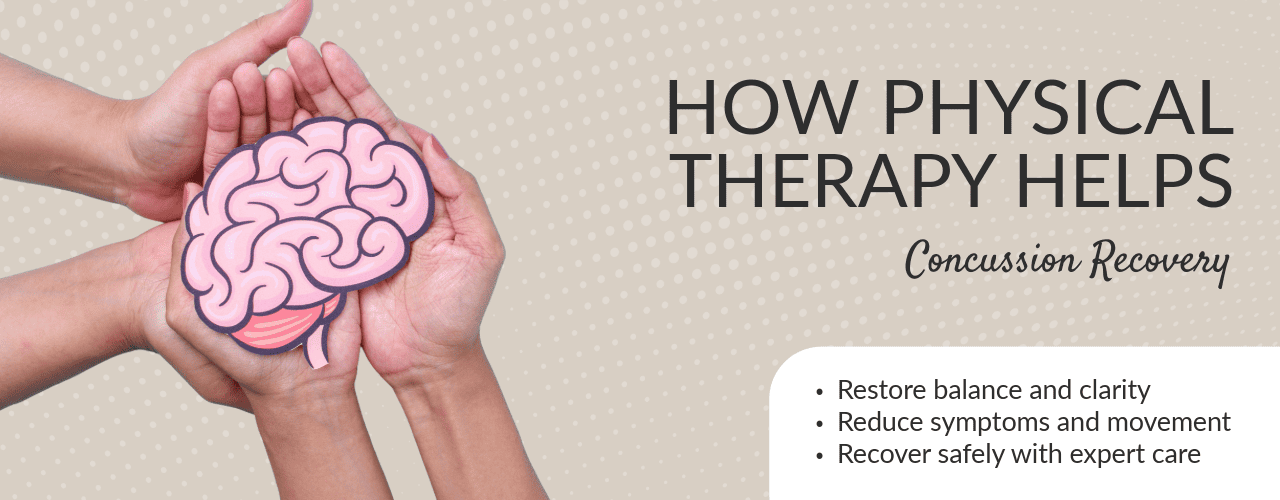
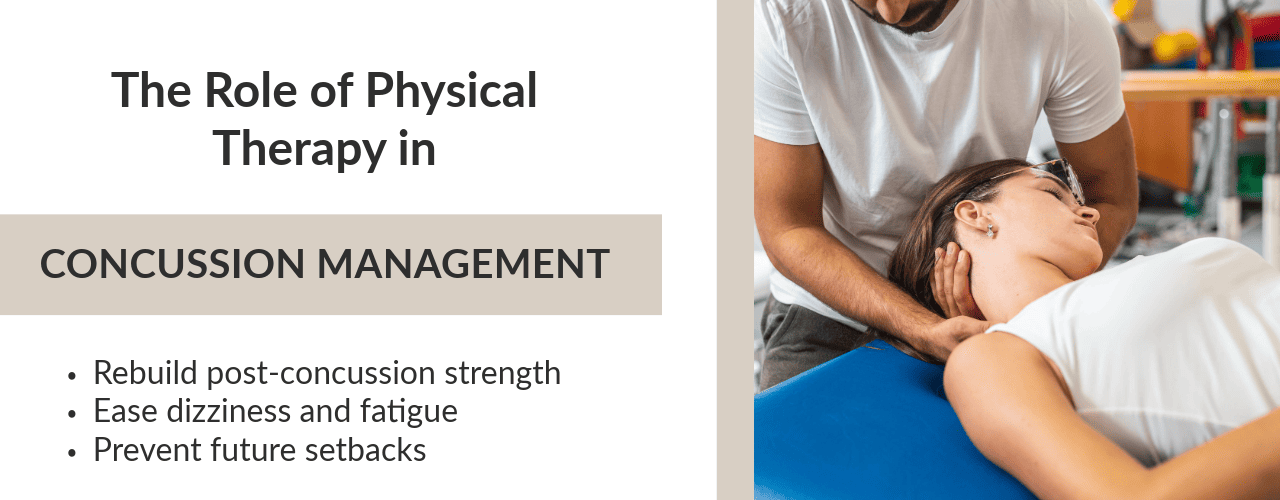
Concussions can’t always be prevented, but better awareness means faster treatment, safer recovery, and fewer long-term issues. Athletes who understand the facts are more likely to speak up, get checked, and recover fully. Physical therapy plays an important role in managing symptoms, improving balance, reducing dizziness, and guiding a safe return to activity.
At Moore Myoworx, we help athletes recover from concussion symptoms with care tailored to their sport and stage of healing. Whether you’ve just had a concussion or are still dealing with symptoms weeks later, our team is here to help.
Contact Moore Myoworx today to learn how concussion awareness and physical therapy can support your safe return to the game.

Leave a Reply