
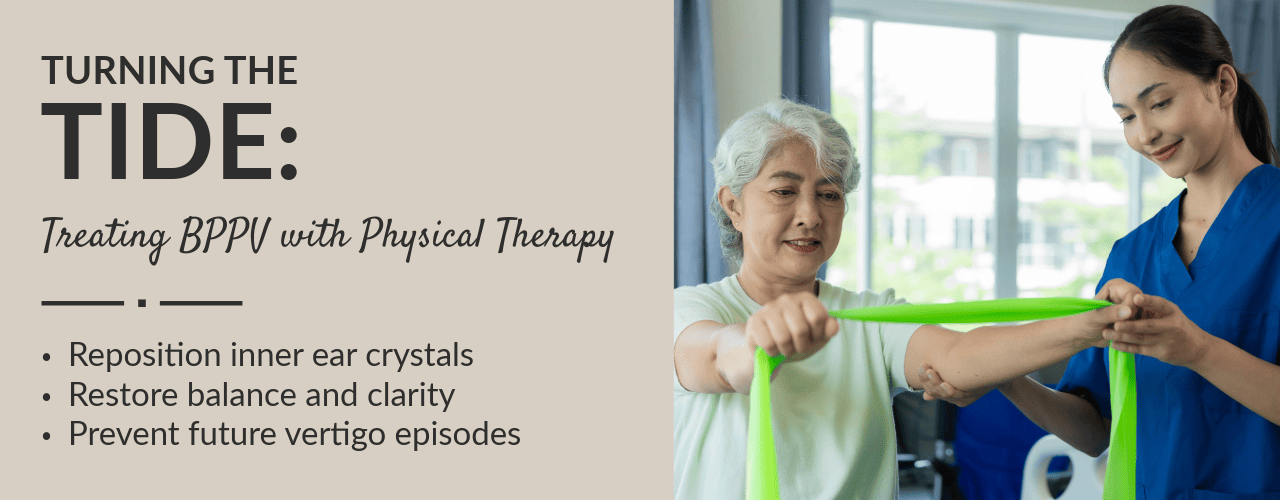
Benign Paroxysmal Positional Vertigo, or BPPV, is one of the most common causes of vertigo. It creates a sudden spinning sensation when the head changes position, such as looking up, lying down, or rolling over in bed. Although BPPV is not life-threatening, it can be extremely disruptive and even dangerous. The good news is that targeted therapy can correct the problem quickly in many cases. One of the most effective and lasting solutions is BPPV treatment with physical therapy.
The Challenge of BPPV Symptoms
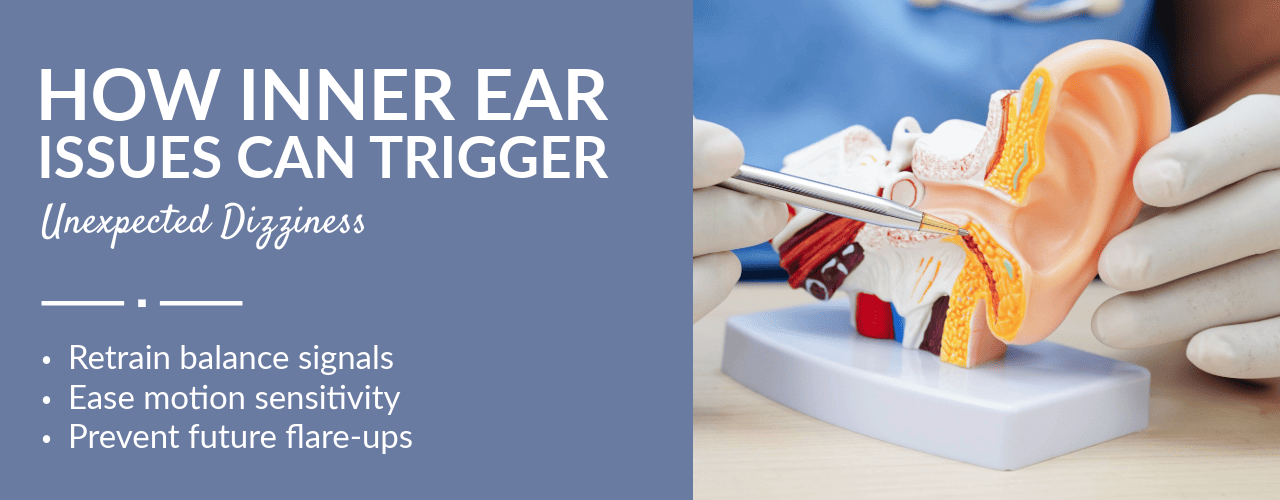
BPPV occurs when tiny calcium crystals in the inner ear, called otoconia, become dislodged from their normal position. These crystals move into the semicircular canals, where they interfere with the inner ear’s balance signals. When you move your head, the misplaced crystals send false messages to the brain, creating the feeling of motion even when you are still.
This can cause:
- Sudden vertigo episodes
- Loss of balance
- Nausea or vomiting
- Visual disturbance or difficulty focusing
Symptoms often last less than a minute but can repeat multiple times a day, especially with certain head movements. Even short episodes can make simple daily activities feel unsafe.
Why BPPV Can Disrupt Daily Life
Vertigo from BPPV can make basic tasks feel risky. Bending down to pick something up, looking over your shoulder, or getting out of bed can all trigger spinning sensations. Some people begin avoiding these movements entirely, which can lead to stiffness, reduced mobility, and a loss of independence.
For older adults, BPPV increases the risk of falls, which can result in serious injury. For younger or active individuals, it may limit the ability to work, drive, exercise, or participate in sports. Beyond the physical challenges, BPPV can also cause anxiety, as patients worry about when the next episode will strike.
How Physical Therapy Addresses the Root Cause
While medications may help reduce nausea, they do not correct the underlying cause of BPPV. Physical therapy uses specific repositioning maneuvers that move the dislodged crystals out of the semicircular canals and back where they belong.
Epley maneuver:
- Moves the crystals through a sequence of head and body positions to clear the affected canal.
Semont maneuver:
- Involves quick movements to shift crystals more rapidly.
Brandt-Daroff exercises:
- A home program for some patients to reduce lingering symptoms.
In addition, physical therapists may use:
- Exercises to help coordination during movement.
- Balance training to reduce the risk of falls.
- Neck mobility exercises to address stiffness that may develop from avoiding movement.
Therapists also educate patients on safe ways to move during the early stages of recovery. This guidance can help avoid triggering symptoms while the inner ear adjusts.
Benefits of Choosing BPPV Treatment with Physical Therapy
Working with a physical therapist offers benefits that self-treatment or medication alone cannot match. These include:
Faster recovery:
- Many patients experience symptom relief within one to three therapy sessions.
Accurate diagnosis:
- Therapists can identify which ear and which canal are affected, which is essential for choosing the correct maneuver.
Lower recurrence rates:
- Patients who complete therapy often have fewer repeat episodes because they learn prevention strategies.
Improved safety:
- Balance and stability training help reduce fall risk.
Confidence in movement:
- Guided care allows patients to resume daily activities without fear.
By targeting the root cause rather than masking symptoms, BPPV treatment with physical therapy restores normal balance signals between the ear, eyes, and brain.
Moving Forward with Confidence through BPPV Treatment with Physical Therapy
BPPV can make life unpredictable, but it does not have to control your routine. With proper care, symptoms often improve quickly and stay away longer. BPPV treatment with physical therapy offers a safe, effective, and lasting solution for restoring balance and comfort.
At Moore Myoworx, our physical therapists specialize in helping people resolve their vertigo. We use proven repositioning maneuvers, targeted exercises, and patient education to help you feel steady and confident again. Whether your vertigo started recently or has been bothering you for months, our team can help you move forward without fear.
Contact Moore Myoworx today to schedule an appointment and take the first step toward reclaiming your balance and quality of life.




Leave a Reply