
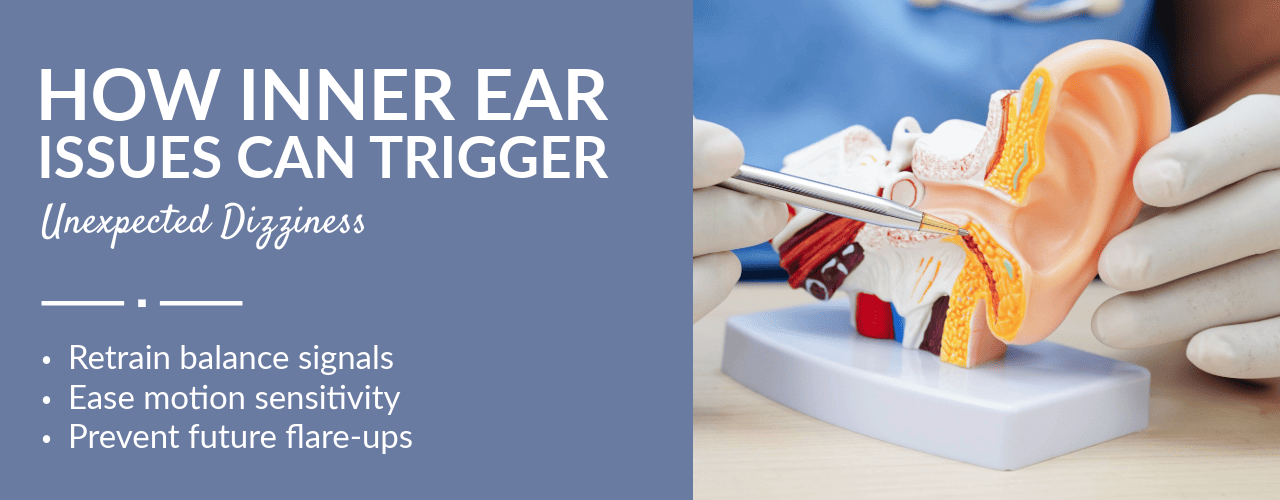
Dizziness is a common complaint, but its causes are often misunderstood. While dehydration, fatigue, or even stress can make you feel lightheaded, one of the most overlooked sources is the inner ear. This part of the body is not just about hearing; it also contains the balance system that helps you stay steady. When something goes wrong here, the result can be sudden and disorienting. Unfortunately, there are many myths about inner ear dizziness that can make it harder to get the right treatment.
Clearing Up the Confusion About Inner Ear Dizziness
To better understand what is really going on, let’s separate fact from fiction. Here are some of the most common myths about inner ear dizziness, along with the truth behind them.
Myth 1: Dizziness always means you are dehydrated
- Fact: Dehydration can cause dizziness, especially if you have been sweating heavily or not drinking enough water. However, many cases of inner ear dizziness are not related to fluid intake at all. The inner ear contains the vestibular system, which detects head movement and sends signals to the brain about balance. If an infection, inflammation, or other problem disrupts these signals, you can feel dizzy even when you are fully hydrated.
Myth 2: Inner ear problems only affect hearing
- Fact: The inner ear contains two main parts: the cochlea, which handles hearing, and the vestibular system, which controls balance and spatial awareness. When the vestibular system is disrupted by conditions such as benign paroxysmal positional vertigo (BPPV), labyrinthitis, or vestibular neuritis, you may experience dizziness, imbalance, or a spinning sensation, even if your hearing is normal.
Myth 3: Dizziness from the inner ear is always short-lived
- Fact: Some causes of inner ear dizziness can resolve quickly, but others last much longer. For example, BPPV can cause dizziness that lasts less than a minute per episode, while vestibular neuritis can create intense symptoms for several days, followed by weeks of imbalance. Chronic vestibular disorders may cause ongoing unsteadiness for months. Because the brain adapts to these changes at different speeds, recovery times vary widely from person to person.
Myth 4: Medication is the only way to treat inner ear dizziness
- Fact: Medication can be helpful in certain situations, such as reducing nausea or easing inflammation during the early stages of an inner ear disorder. However, physical therapy is one of the most effective long-term treatments. Physical therapy uses targeted movements and exercises to retrain the brain to process balance signals correctly. Patients often notice improved stability, reduced dizziness episodes, and greater confidence in movement.
Myth 5: You should avoid movement until dizziness goes away
- Fact: While rest is important during severe episodes, complete avoidance of movement can slow recovery. In many cases, gentle and guided movement is essential for the brain to adapt to new balance signals. Our physical therapists can design safe exercises that encourage recovery without worsening symptoms. Avoiding activity entirely can lead to stiffness, reduced coordination, and a longer recovery period.
Finding Real Relief for Inner Ear Dizziness
If you have been dealing with inner ear dizziness, getting the right diagnosis is the first step toward feeling better. A healthcare provider can perform balance and vestibular function tests to identify the cause of your symptoms. From there, treatment may include maneuvers and techniques, combined with exercises, manual therapy, lifestyle adjustments, and, in some cases, medication to address inflammation or infection.
At Moore Myoworx, we specialize in helping patients regain stability and reduce dizziness through evidence-based care. Our team will create a personalized plan that addresses your specific symptoms and helps restore your confidence in daily activities.
Contact Moore Myoworx today to schedule your evaluation and start moving toward lasting relief from inner ear dizziness.





Leave a Reply