Getting Back to Yourself After a Concussion
A concussion can change your life in an instant. Even if the injury itself seemed minor, the symptoms often aren’t: dizziness, headaches, trouble sleeping, and much more can impact your work, relationships, and daily routines.
Many people expect concussion symptoms to fade quickly. For some, they do. But for others, symptoms linger far longer than expected. You may feel as if your recovery has stalled or feel frustrated or discouraged. You may even wonder if you’ll ever feel normal again.
If you’re currently living this struggle, you’ve found the right place in Moore Myoworx. Our team specializes in concussions and other medically complex conditions, and we’re here to help you feel like yourself again.
Post-concussion syndrome (PCS) is a complex condition where concussion symptoms persist for weeks, months, or longer after a head injury, and it affects more than 15% of people who experience a concussion. It is characterized by a combination of physical (headaches, dizziness), cognitive (memory issues, difficulty concentrating), and emotional/psychological symptoms (anxiety, irritability, sleep problems). While most people recover from a concussion within the first few weeks, PCS occurs when symptoms linger beyond that period.
At Moore MyoWorx, we use a specialized approach that has been shown to successfully treat PCS by addressing the neuromuscular dysfunction that often drives persistent symptoms.
Understanding The Effects of a Concussion
Concussions can cause a wide range of physical, cognitive, and emotional symptoms, which is one of the reasons they can be difficult to manage.
These symptoms occur because concussions disrupt the way the brain, nerves, and muscles communicate. Even mild problems can create a cycle where one issue fuels another. For example, neck muscle tension can alter blood flow or nerve signals, potentially worsening headaches or dizziness.
The good news is that the brain and body can adapt and improve. With the right support, you can alleviate your symptoms and get back to the things that matter.
Additionally, research shows that PCS can be a precursor to autonomic disorders such as POTS (Postural Orthostatic Tachycardia Syndrome). POTS can cause dizziness, rapid heart rate, fatigue, and difficulty tolerating upright positions. POTS falls under the umbrella of dysautonomia, which refers to dysfunction of the autonomic nervous system – the system responsible for regulating heart rate, blood pressure, and temperature.
Because PCS and POTS share many overlapping symptoms, such as dizziness, fatigue, cognitive fog, and exercise intolerance, they are often interconnected. Our team is experienced in treating both conditions.
Are You Experiencing These Symptoms?
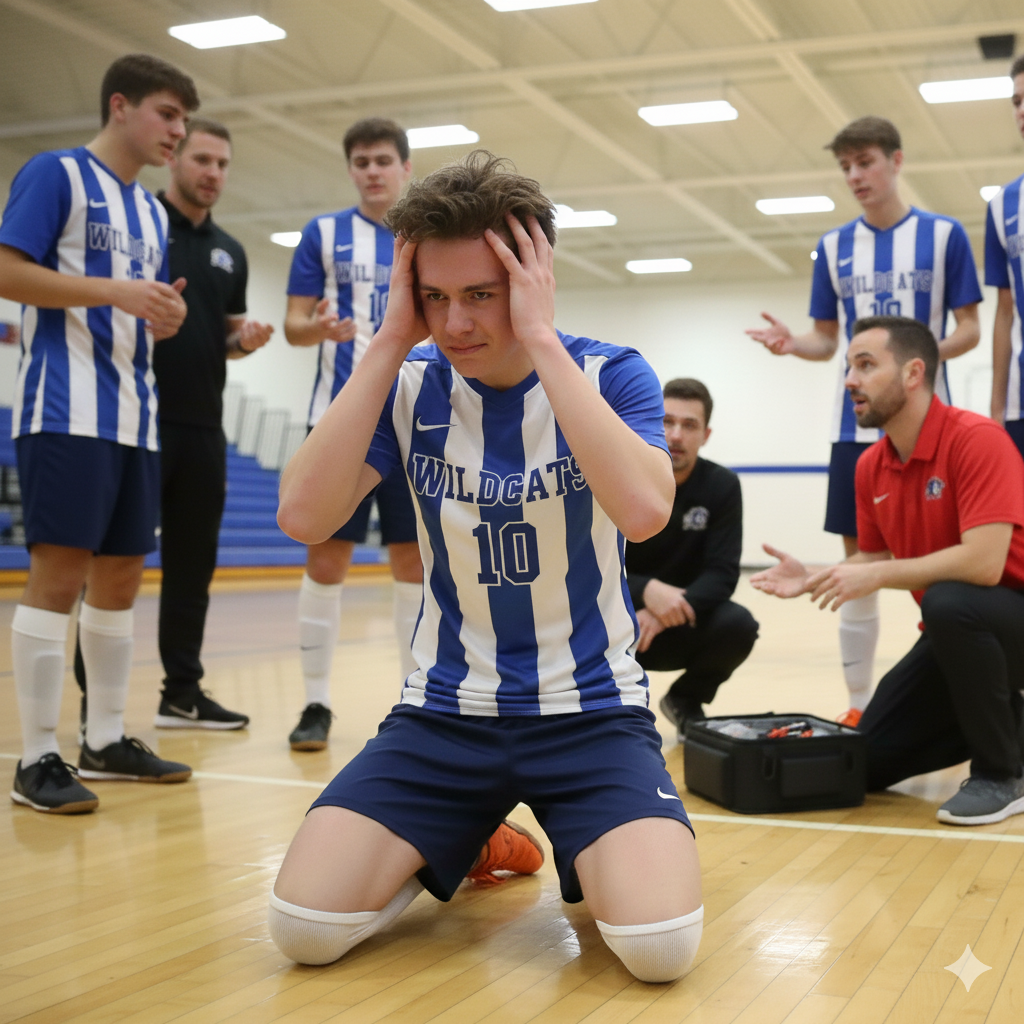
Here is a non-comprehensive list of some of the most common symptoms that follow a concussion. Whether you’re dealing with one or many, our team can help.
Physical Symptoms
- Head pressure or headaches
- Dizziness or unsteady movement
- Light sensitivity
- Screen sensitivity
- Neck tightness, soreness, or stiffness
- Fatigue that feels out of proportion to activity
- Balance problems
- Nausea
- Vision strain or blurred vision
Cognitive Symptoms
- Trouble concentrating
- Mental fatigue
- Slower information processing
- Difficulty multitasking
- Trouble recalling details
- Brain fog or feeling less mentally sharp than usual
Emotional Symptoms
- Irritability
- Frustration or feeling easily overwhelmed
- Heightened stress responses
- Mood swings
- Feeling “off” or not like yourself
How Our Team Can Help Your Recovery
At Moore Myoworx, one of our specialities is helping people move past their frustrating post-concussion symptoms. We use personalized therapy that focuses on restoring balance between the nervous system, muscles, and cognitive function.
Here’s how our methods can support healing:
Light Aerobic Exercise
Light, supervised cardiovascular exercise can help the brain regulate blood flow more effectively after a concussion, which supports improved energy levels, steadier mood, and better tolerance to daily activity. It can also help reduce the intensity of symptoms over time.
Neuromuscular Techniques
These methods help muscle and nerve tissues work together again, which releases tight areas, improves blood flow, and supports more effective movement. When the neck and upper back become less tense, symptoms like headaches, dizziness, and visual strain often ease.
Cognitive Support
If you’re experiencing slower mental processing or difficulty with focus after your concussion, cognitive-based exercises can help your brain regain efficiency. These tools are adaptable. We’ll meet you where you are and progress as you improve.
Breathing and Regulation Training
Breathing patterns influence heart rate, nervous system activity, and overall stability, and many people develop altered breathing patterns after a concussion without realizing it. Simple corrective techniques calm the nervous system and reduce symptom spikes.
Vestibular Support
If you’re dealing with dizziness, vertigo, or nausea after your concussion, you’re likely experiencing dysfunction in your vestibular system, which controls balance and spatial awareness. We offer targeted exercises aimed at recalibrating the vestibular system, helping your body rebuild tolerance to movement.
Lifestyle Support
Knowledge plays a crucial role in concussion management. We’ll help you understand why your symptoms behave the way they do and show you how to manage flare-ups and build resilience. That way, you can feel more in control of your recovery.
You Can Move Forward After a Concussion
Feeling stuck after a concussion is normal–but it’s also a sign that you can benefit from working with the specialized therapists at Moore Myoworx. Our team is here to help you get back to being you, one step at a time.
If you’d like to talk with us, we’re ready to listen. Schedule an appointment today to understand the next steps and what your recovery could look like. If you know of anyone suffering from PCS and/or POTS, have them reach out to us – we can help!
Sources
https://www.liebertpub.com/doi/abs/10.1089/neu.2023.0474
https://www.mdpi.com/2227-9032/11/1/90
https://pubmed.ncbi.nlm.nih.gov/25706664
“Amazing! Changed my life! Thank you so much to everyone at Moore MyoWorx with a special shout-out to Taylor.”
“The care and treatment I received for my two-week intensive care for post-concussion syndrome was nothing short of amazing.
Prior to going there, was getting nowhere with my recovery. After even the first day at Moore MyoWorx I began to feel better. After the two weeks, I was well on my way to a full recovery.
I continue to work with a cognitive therapist as brain injury takes time. I also continue to do the physical therapy as a maintenance plan; however, I now have my life back. Much gratitude to all of you at MyoWorx. I would recommend anyone suffering the effects of a brain injury to give their clinic a try.”
Denise W.
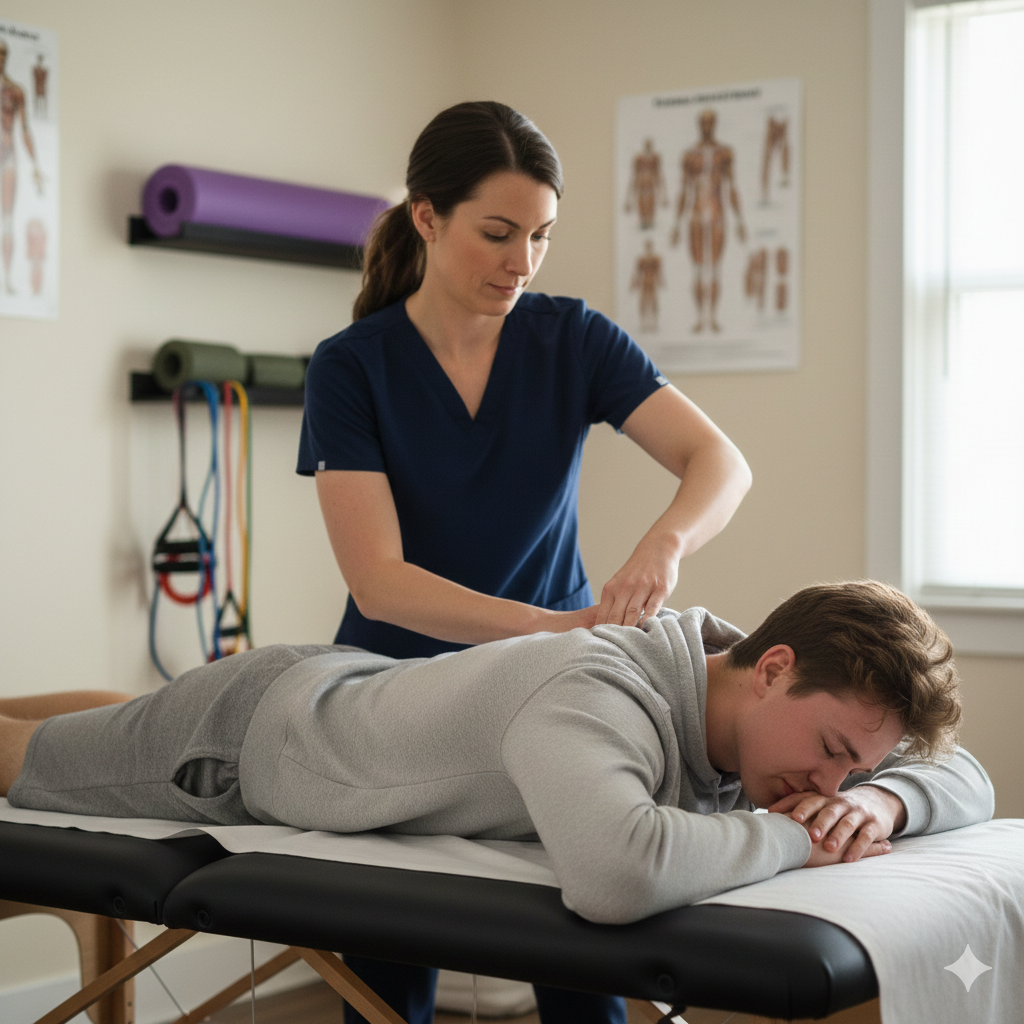
Unlocking Relief Through Neuromuscular Therapy
At Moore MyoWorx, we know that persistent symptoms from headaches and jaw pain to dizziness and fatigue don’t always come from one isolated source. That’s why we offer neuromuscular therapy (NMT); a hands-on treatment designed to integrate both muscular and neural systems for lasting relief.
So what exactly is neuromuscular therapy? It focuses on identifying and treating muscle tightness, imbalances, and trigger points affecting your posture and nervous system. By targeting soft tissues through techniques like deep-tissue work and myofascial release, NMT helps release tension, improve alignment, and stimulate healthier nerve-muscle communication.
Here’s how it helps:
- Relieves muscle tension: Especially important if you’ve had trauma or concussions, where tight neck, shoulder, or upper-back muscles can fuel headaches and discomfort.
- Improves posture and alignment: When symptoms like dizziness or balance issues alter how you hold your body, NMT can help correct those compensations.
- Enhances circulation and nervous-system health: By restoring soft-tissue mobility, NMT promotes better blood flow and nerve signaling, which is crucial for healing and reducing brain-fog or coordination problems.
- Reduces stress and supports recovery: Because chronic discomfort always carries an emotional burden, the calming, integrative nature of NMT also helps reduce anxiety and supports overall wellness.
If you’re dealing with lingering symptoms that make everyday life harder than it should be, you don’t have to navigate it alone. At Moore MyoWorx, our team creates customized treatment plans around your unique anatomy and recovery needs. Contact us and let’s begin the journey to more comfortable living.
Don’t Let Your 2025 Insurance Benefits Go To Waste!
Take charge of your health today and make the most of your insurance benefits!
If you’ve already met your deductible this year or have funds left in your HSA account, you can take advantage of our remarkable opportunity at Moore Myoworx. Don’t let these valuable benefits go unused!
Our Mission & Purpose
At Moore MyoWorx Denver, we believe that true healing happens when you’re seen, supported, and empowered, not just treated. Rooted in our core values of Providing Relief, Restoring Hope, Imparting Knowledge, and Empowering Patients, our mission is to walk alongside you in your recovery journey, every step of the way. We aim not just to address symptoms, but to restore your well-being so you can reclaim your life.
We are proud to share that 90% of our patients experience an improvement of 62% over 6 treatments. That’s what our approach, expertise, and commitment to you are all about.
If you’ve experienced the difference Moore MyoWorx has made, we hope you’ll consider sharing us with your friends or family who might benefit. There’s nothing more rewarding than helping someone else find hope, healing, and a path forward.
Exercise of the Month
Dead Bug
(Core, Lower Back)
Lie down on your back with your arms by your sides, your knees bent to 90-degrees, and your feet on the floor. Raise one arm up straight and one knee up towards the ceiling at the same time. Your arm should stay straight and be pointing straight up at the top and your knee should be at 90-degrees and be pointing straight up at the top. 3 Sets, 10 Reps.

Cinnamon Apple Bake
Ingredients
- 4 apples, sliced
- 1 cup fresh cranberries
- 1 tablespoon maple syrup
- 1 teaspoon cinnamon
- 1 teaspoon vanilla
- Pinch of nutmeg
- Small handful of chopped walnuts or pecans
- Optional: a squeeze of lemon
Steps
- Heat the oven to 375.
- Toss the apple slices and cranberries in a bowl with maple syrup, cinnamon, vanilla, nutmeg, and lemon if using.
- Spread the mixture in a small baking dish.
- Sprinkle nuts on top.
- Bake for about 25 minutes until the apples are soft and the cranberries burst.
Contact us for an appointment
If you’re dealing with lingering symptoms of concussion that make everyday life harder than it should be, you don’t have to navigate it alone.
Contact Moore Myoworx today to learn more about how we can help you get back to living life the way you want!