
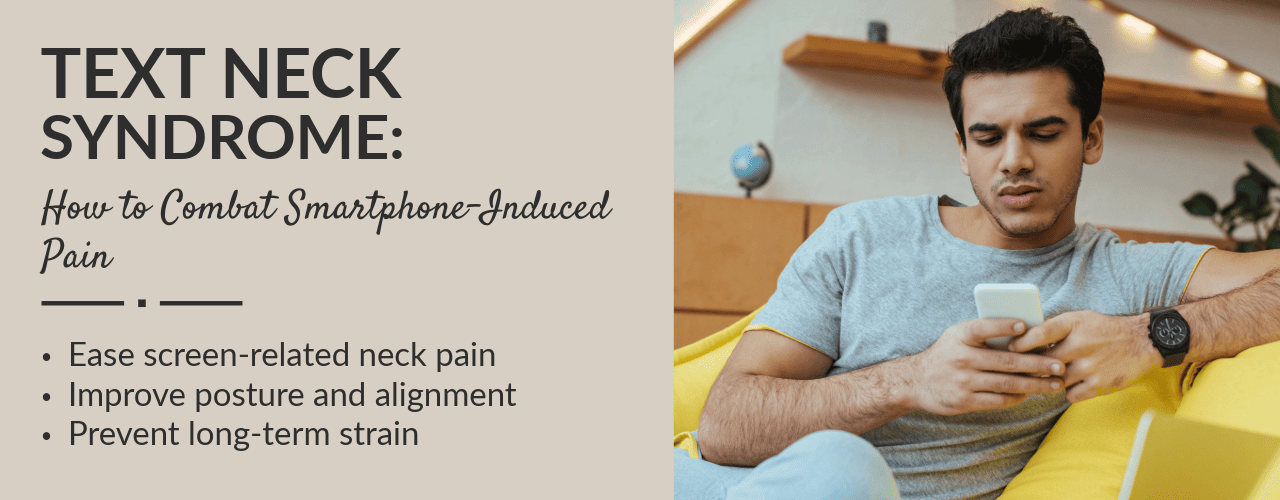
People spend hours each day looking down at phones, tablets, and laptops. Over time, this habit can cause neck stiffness, shoulder tension, and frequent headaches. The cause is often text neck syndrome, a modern condition linked to poor device posture. Fortunately, physical therapy and daily habit changes can ease the strain and help prevent long-term damage.
What Is Text Neck Syndrome, and Why Does It Hurt So Much?
Text neck syndrome happens when the head tilts forward for long periods. Each inch the head moves forward adds extra pressure to the neck muscles. Over time, this strain can lead to inflammation, reduced mobility, and chronic pain.
When someone leans forward to look at a screen, the spine loses its natural curve. This misalignment makes muscles work harder to hold up the head, especially during long texting or scrolling sessions.
Spot the Signs Before It Gets Worse
Most people with text neck syndrome first notice a dull ache at the base of the skull or across the shoulders. These symptoms may come and go at first, but become more frequent with continued screen use.
Common signs of text neck syndrome include:
- Neck or upper back pain
- Stiffness or reduced neck movement
- Headaches that start at the back of the head
- Tingling or numbness in the arms or hands
- Pain between the shoulder blades
These symptoms often worsen at the end of the day or after long phone sessions.
How Physical Therapy Helps Break the Cycle
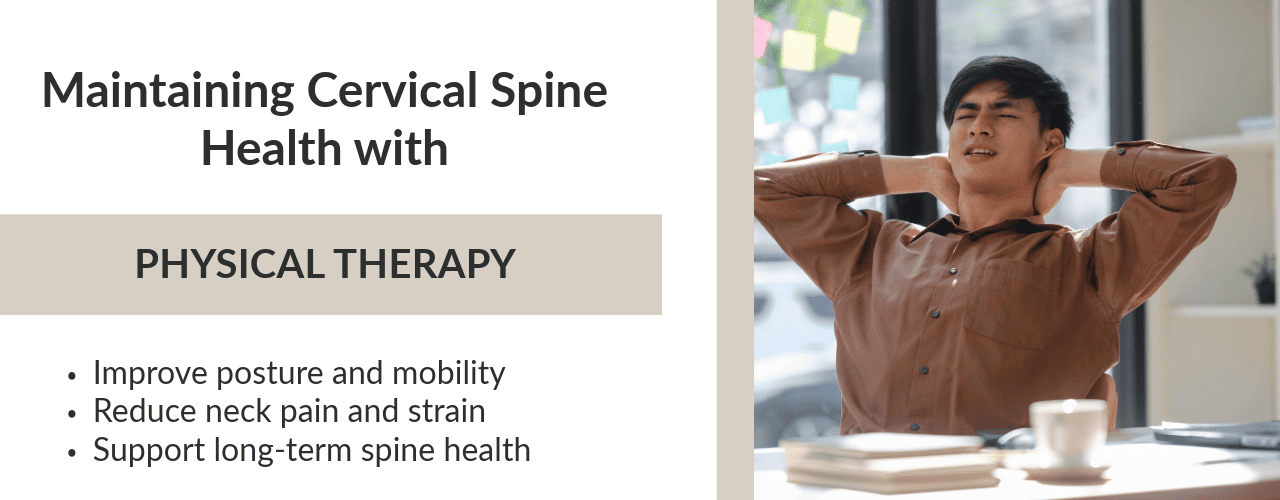
Physical therapy offers targeted treatment for pain caused by poor posture. A physical therapist will assess muscle tightness, joint mobility, and movement habits. The goal is to restore proper alignment and build strength to reduce stress on the neck.
Treatment may include:
- Manual therapy to ease muscle tension and joint stiffness
- Postural retraining to help you sit and stand with better alignment
- Stretching exercises for tight muscles in the neck and chest
- Strengthening routines for the upper back and shoulders
- Education on proper screen height and desk setup
Patients often feel relief after a few sessions, especially when therapy is paired with better habits at home.
At-Home Changes That Make a Big Difference
Daily screen use may be hard to avoid, but small adjustments can reduce pain. Making mindful changes helps protect your neck and improves comfort throughout the day.
Try these at-home tips:
- Hold devices at eye level to avoid looking down
- Use pillows or stands to raise screens when sitting or lying down
- Take breaks every 20–30 minutes to move and stretch
- Switch to voice-to-text features when possible
- Use both hands to hold the phone and support the arms on a surface
Each of these habits reduces the stress placed on the neck muscles.
Daily Habits That Keep Text Neck Away
Preventing text neck syndrome is easier when smart habits become part of your routine. A few small changes can help avoid pain and keep your spine in better shape.
Daily habits to protect your neck:
- Set posture reminders on your phone or smartwatch
- Limit screen time when possible, especially in the evening
- Sit in chairs that support your upper and lower back
- Add short posture and stretch breaks to your work schedule
- Do neck and back strengthening exercises 2–3 times per week
Consistency matters. Over time, these habits can retrain the body and reduce the risk of long-term pain.
Don’t Wait Until It’s Chronic
If your neck feels sore after screen time, you’re not alone. These symptoms are signs of text neck syndrome, and early care can make a big difference. At Moore Myoworx, our physical therapy team can assess your posture, reduce muscle tension, and teach you simple ways to protect your neck every day.
Contact Moore Myoworx today to start feeling better. Early action means less pain, better posture, and a healthier neck for life.





Leave a Reply