A Deep Dive into POTS
You stand up from your couch, and immediately your heart starts to race, your head spins, and your body seems very, very weak. This experience can be incredibly alarming, but for people living with POTS, it’s a regular occurrence.
POTS (postural orthostatic tachycardia syndrome) is a chronic condition that can make even the simplest tasks feel exhausting. And like many chronic conditions, it’s often misunderstood.
Today, the Moore Myoworx team wants to take a closer look at POTS, including how specialized therapy can help manage symptoms effectively.
What Exactly is POTS?
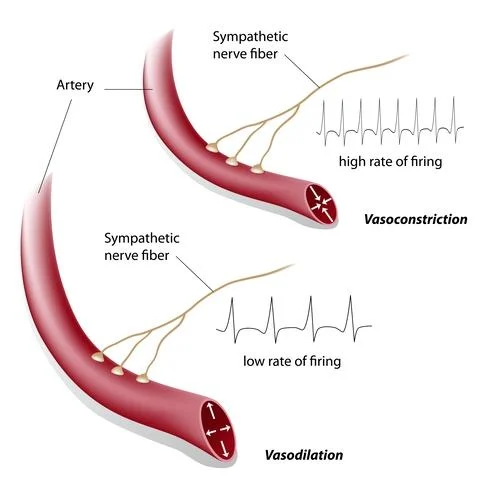
Your autonomic nervous system controls automatic functions such as heart rate, blood pressure, and circulation. For most people, it works quietly in the background, and they never think about it.
POTS is a dysfunction of this system. When someone with POTS stands up, their autonomic nervous system doesn’t react as it should. Their blood circulation doesn’t adjust quickly enough, causing their heart rate to increase dramatically and their brain and muscles to not get enough oxygen-rich blood.
This leads to a wide range of symptoms that can interfere with daily function, including:
- Rapid heart rate when standing, known as tachycardia
- Lightheadedness or dizziness
- Fatigue that doesn’t improve with rest
- Brain fog
- Headaches or migraines
- Shortness of breath
- Exercise intolerance
- Nausea or digestive issues
Why Does POTS Happen?
POTS is complex, and there isn’t a single cause but rather a blend of overlapping contributing factors:
- Circulatory dysfunction that causes blood to pool in the lower body instead of returning efficiently to the heart and brain
- Imbalances in the autonomic nervous system that makes it harder for the body to maintain a regular heart rate and blood pressure
- Conditions such as hypermobility that can affect blood vessels
- Changes in the body after viral infections (such as COVID-19)
POTS can also cause people to become less physically active, which can worsen symptoms over time.

Seeking Care: Why POTS Is So Challenging
POTS symptoms are difficult in and of themselves, but many POTS patients also struggle to get the care they need. Their symptoms fluctuate or mimic other conditions, including anxiety, and standard health tests may appear normal.
At Moore Myoworx, we understand how frustrating this can be. Fortunately, our team has experience recognizing POTS and helping people living with the condition find long-term relief.
The Role of Specialized Therapy
POTS might be a dysfunction of the autonomic nervous system, but it can affect other areas of the body, including increased muscle tension. At Moore Myoworx, we work to identify and address those underlying drivers.
Instead of focusing only on symptom management, our treatment targets:
- Muscle tension that may restrict blood flow
- Circulatory efficiency to improve oxygen delivery
- Nervous system balance to regulate heart rate responses
What This Looks Like in Practice
Targeted Neuromuscular Therapy
Circulatory Support Techniques
Guided Exercise Progression
Breath Work
Strategies for Long-Term Management
Ready to Take the Next Step?
POTS can feel overwhelming, especially when symptoms limit your ability to work, exercise, or enjoy daily life. But improvement is possible with the right plan and the right support.
Schedule an evaluation with Moore Myoworx today to better understand what’s driving your symptoms—and what can be done to help you feel more like yourself again.
Sources
https://www.ninds.nih.gov/health-information/disorders/postural-tachycardia-syndrome-pots
Is It Anxiety or POTS? Understanding the Difference
A racing heart. Dizziness. Shortness of breath.
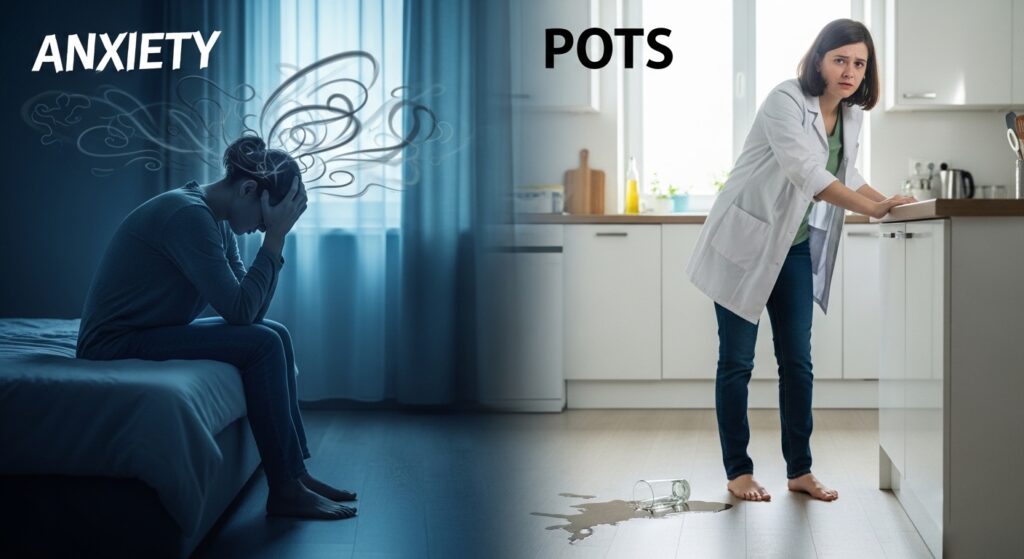
These are all common symptoms of anxiety. Unfortunately, they’re also typical symptoms of POTS. That means the two conditions can be difficult to distinguish, even though one occurs in the mind and the other in the body.
Anxiety vs. Autonomic Dysfunction
Anxiety is a mental health condition that can cause excessive worry that then manifests physically in the body, often without a clear physical trigger.
POTS occurs when the nervous system that controls automatic functions—like heart rate and blood pressure—isn’t regulating properly, forcing the heart to work harder than it should. As a result, standing or prolonged activity can trigger symptoms.
While the conditions are very different, they can feel similar, with shared symptoms such as:
- Rapid heart rate
- Chest tightness
- Lightheadedness
- Shortness of breath
- Sweating
This overlap is why many patients are misdiagnosed.
Helping You Better Understand Your Nervous System
It’s important that people with POTS understand their body’s responses so that they can interpret patterns and get the care they need. At Moore Myoworx, we help patients:
- Track when symptoms occur
- Recognize physical vs. emotional triggers
- Monitor heart rate changes with position
- Notice how quickly symptoms improve with rest or lying down
- Identify patterns over time rather than focusing on single events
We’ll make sure you understand more about POTS itself and how the autonomic nervous system works, as this information can help reduce confusion and guide your response during flare-ups.
Ready for Clarity?
It can be immensely frustrating when a physical health condition is dismissed as anxiety. The important thing to remember is that there is a clear difference between POTS and anxiety, and the team at Moore Myoworx can help you navigate it.
Schedule an evaluation with us today to better understand what your body is telling you—and how to move forward with a plan that fits your needs.

“Moore Myoworx helped me avoid surgery!”
“I have hope for my condition now after chronic pain and two head injuries. I can see a way forward I didn’t have before. I was amazed when we had ONE MORE MRI on my neck after only two weeks of therapy. THE SURGEON SAW SUCH IMPROVEMENT that neck fusion surgery was instantly cancelled!”
– Teri
Exercise of the Month
Towel Pull
(Shoulders, Elbows, Chest Stretch)
Sit or stand tall and place a rolled towel behind your head, holding each end with your hands in front of you. Gently pull the towel forward and downward to support your head as you slowly extend your neck backward, looking up toward the ceiling. Use the towel for support, not force. Return to the starting position. 3 Sets, 10 Reps. (Materials needed: a towel)
Our Mission & Purpose
At Moore Myoworx Denver, we believe that true healing happens when you’re seen, supported, and empowered, not just treated. Rooted in our core values of Providing Relief, Restoring Hope, Imparting Knowledge, and Empowering Patients, our mission is to walk alongside you in your recovery journey, every step of the way. We aim not just to address symptoms, but to restore your well-being so you can reclaim your life.
We are proud to share that 90% of our patients experience an improvement of 62% over 6 treatments. That’s what our approach, expertise, and commitment to you are all about.
If you’ve experienced the difference Moore Myoworx has made, we hope you’ll consider sharing us with your friends or family who might benefit. There’s nothing more rewarding than helping someone else find hope, healing, and a path forward.
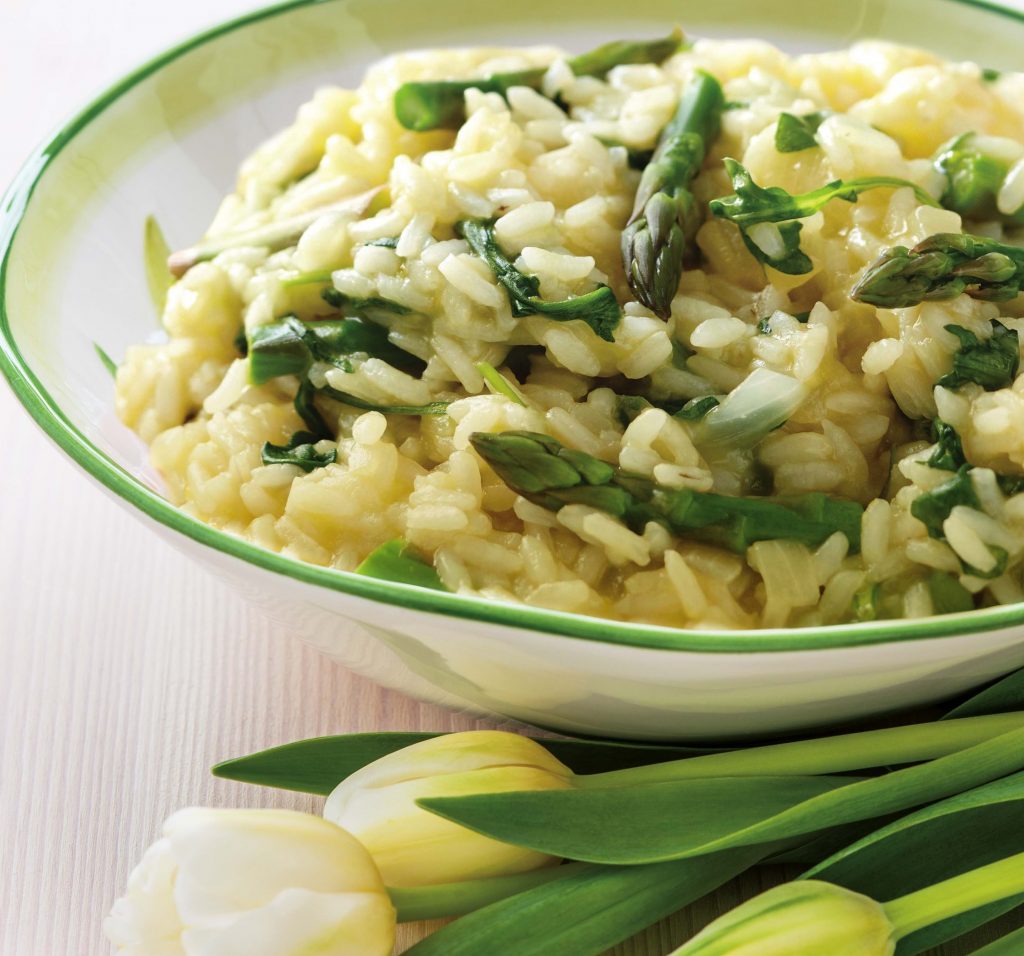
Asparagus & Lemon Risotto with Arugula
This is the classic rice dish of Northern Italy, where it dominates pasta.
Ingredients:
- 4 cups vegetable broth
- 1 cup water
- 1 tbsp olive oil
- 1/2 cup onions, diced
- 1 1/2 cups unrinsed Arborio rice
- 1/2 cup white wine
- 2 cups asparagus, steamed, cooled and cut into 1-inch pieces
- 1 tsp lemon zest
- 1 tbsp fresh lemon juice
- 2 cups argulua, roughly chopped
- Salt to taste
Instructions:
- In a large saucepan, heat vegetable broth and water on medium heat, just until hot. Turn heat to low and keep broth warm.
- Heat oil in a large saucepan over low heat. Add onions and “sweat” for 5 minutes, being careful not to brown them.
- Turn heat up to medium. Add Arborio rice and stir for 1-2 minutes until all the grains are well-coated. Add wine and stir until it is completely absorbed.
- Begin to add hot broth, 1/2 cup at a time, stirring frequently. Wait until each addition is almost completely absorbed before adding next 1/2 cup.
- The cooking time is approximately 18 minutes from the first 1/2 cup broth addition. After 18 minutes, check rice for doneness.
- When rice is tender but still firm, add 1/4 cup broth, asparagus, lemon zest, and lemon juice. Stir briefly until asparagus is heated through. Add arugula and stir to combine.
- Remove from heat. Season with salt to taste. Let sit for 5 minutes before serving.
You Can Feel Like Yourself Again
Living with POTS can feel isolating. It’s important to remember that your symptoms are your body responding to a very real disruption. And with the right approach, it can recover.
At Moore Myoworx, our goal is to guide you toward long-term independence, not endless medical appointments. If you’re tired of struggling with your symptoms and want to get back to being you, our team is here to help!
Schedule your initial appointment today and start getting back to the life you’ve been missing.