
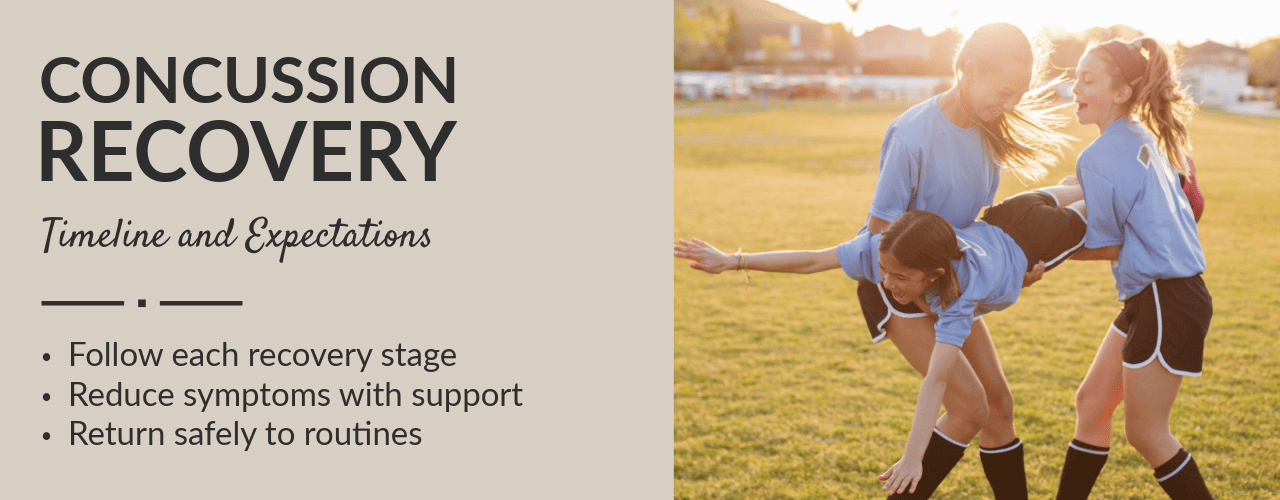
A concussion is a mild traumatic brain injury that affects how the brain functions. It may happen after a fall, sports injury, or car accident. While symptoms can vary from person to person, understanding the typical concussion recovery timeline helps patients and families know what to expect. Most people recover fully with proper care. In some cases, physical therapy plays a helpful role in restoring balance, reducing headaches, and supporting safe movement during healing.
Frequently Asked Questions About Concussion Recovery
What Happens to the Brain During a Concussion?
A concussion occurs when the brain moves quickly inside the skull due to a bump or jolt. This sudden motion affects how the brain cells work. The impact can disrupt memory, focus, balance, and coordination. Most concussions are not seen on standard imaging tests, but the effects are real and require attention.
The brain needs time and rest to recover from this temporary disruption. Healing happens in phases and can be supported by pacing daily activity and avoiding overstimulation.
How Long Does Concussion Recovery Usually Take?
Most people recover from a concussion within a few weeks. For some, symptoms may last longer depending on factors like age, previous head injuries, or how soon care begins. The average recovery follows a gradual return to normal routines.
Even when symptoms go away quickly, the brain may still be healing. Returning to full physical or mental effort too soon can cause setbacks or make symptoms worse. That’s why following a clear plan matters.
What Are the Stages in a Concussion Recovery Timeline?
Concussion recovery usually happens in stages. These stages help guide how and when to return to normal activities.
1. Rest and Symptom Monitoring
- First 24 to 48 hours
- Focus on rest with limited screen time, reading, or physical activity
- Avoid anything that increases symptoms
2. Light Activity
- Gentle movements like walking or light chores
- Short periods of mental work, such as reading or talking
- No contact sports or intense workouts
3. Return to Routine with Modifications
- Gradual return to school or work with breaks as needed
- Monitor for headaches, fatigue, or trouble focusing
- Adjust daily tasks if symptoms reappear
4. Full Return to Activity
- Once symptoms are gone and medical providers give clearance
- Athletes follow return-to-play steps before full sports participation
- Patients resume regular exercise or work demands slowly
These stages can be adjusted based on how the patient feels and how symptoms change.
When Should Physical Therapy Be Part of the Plan?
Physical therapy can help if symptoms last longer than expected or if balance, dizziness, or neck pain are present. A physical therapist can help make sure you stay on your concussion recovery timeline by assessing how the brain and body are working together. They may provide:
- Balance training
- Neck and posture exercises
- Strategies to manage light sensitivity or motion intolerance
- Guidance on pacing activity
Early support from a physical therapist may prevent long-term problems and make your recovery more comfortable.
What Should You Avoid During Concussion Recovery?
Certain actions can affect your concussion recovery timeline and slow down healing or make symptoms worse. Avoid the following while recovering:
- Strenuous physical activity
- Loud music or bright screens
- Long periods of reading, video games, or computer use
- Staying up late or skipping rest
- Alcohol or other substances that affect the brain
Patients should also avoid driving or using heavy machinery until cleared by a provider.
Do Concussion Recovery Time Lines Differ for Children or Athletes?
Yes. Children may take longer to recover because their brains are still developing. They may also have a harder time recognizing or explaining symptoms. Schools may need to adjust workloads or schedules during healing.
Athletes follow structured return-to-play steps. They must be symptom-free and cleared by a healthcare provider before returning to sports. Restarting activity too soon can lead to another injury, which could be more serious.
Healing Takes Time and Support
Every person heals at their own pace. Paying attention to symptoms, pacing daily activity, and getting care when needed helps recovery go smoothly. Physical therapy may support progress if symptoms continue or daily movement becomes challenging.
At Moore Myoworx, our physical therapists help patients recover from concussions by guiding them through safe activity, improving balance, and reducing discomfort. If you or a loved one is managing a concussion, we’re here to help you return to what matters most, safely and confidently.
Contact Moore Myoworx to learn how personalized care can support your recovery through each stage of your concussion recovery timeline.



Leave a Reply